Jockel Liess is a London based audiovisual artist and composer predominantly working with generative systems. His mainly abstract works are multi-sensory meditative environments that aim to emulate and celebrate the organic flexibility of nature. Influenced by Post-Cagean aesthetics and the traditions of visual and musical minimalism he combines aesthetic ideas with the scientific analysis of the natural world through Chaos Theory. He describes the resulting form as organic compositions. Jockel exhibits his audiovisual work as site-specific installations, in concert set-ups or as fixed media recordings, alongside his photographic prints and generative photomontages. As part of Partial Wave Child he performs improvised electroacoustic music with the composer Geoixos, and has in the past collaborated on a variety of projects with scientists, musicians, filmmakers and artists.
jockelliess.org
Instagram @jockelliess
Instagram @partialwavechild
Youtube @partialwavechild
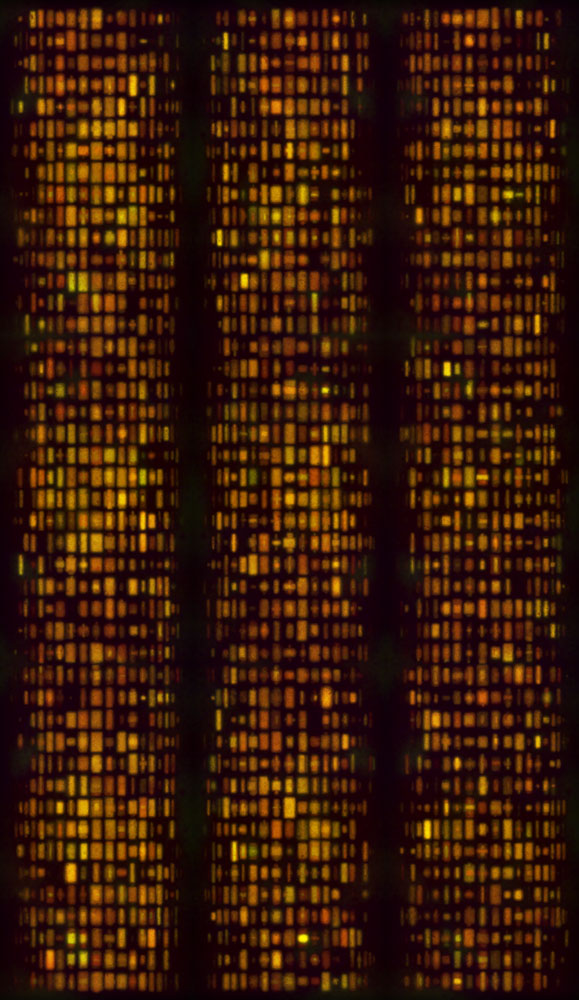
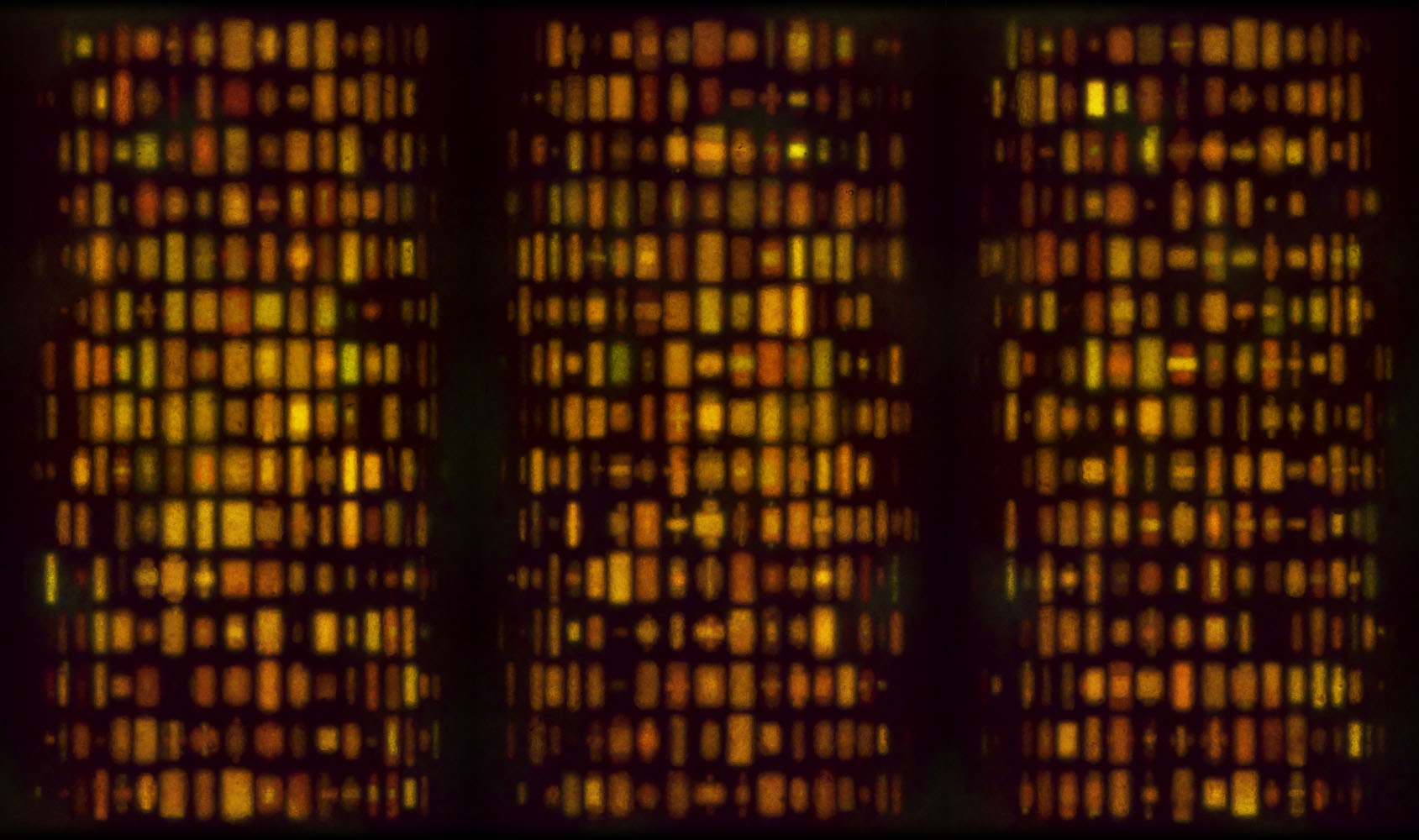
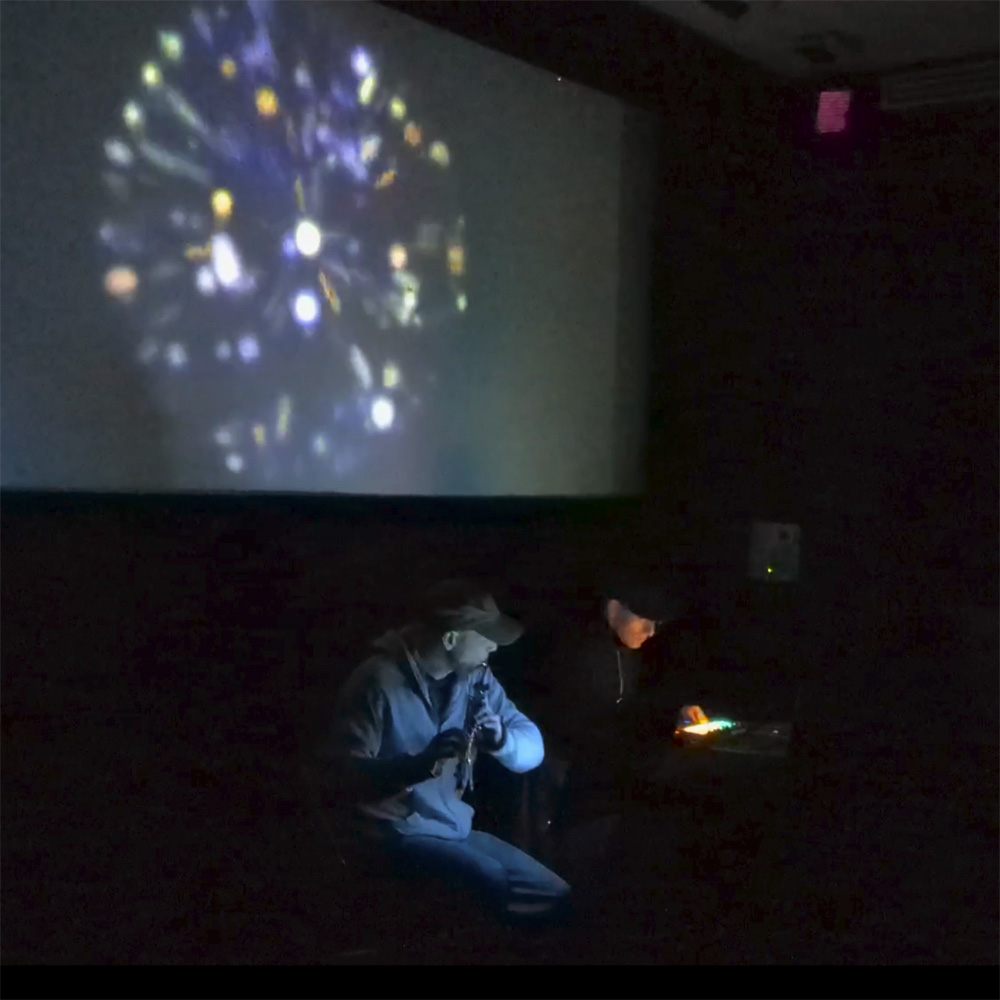
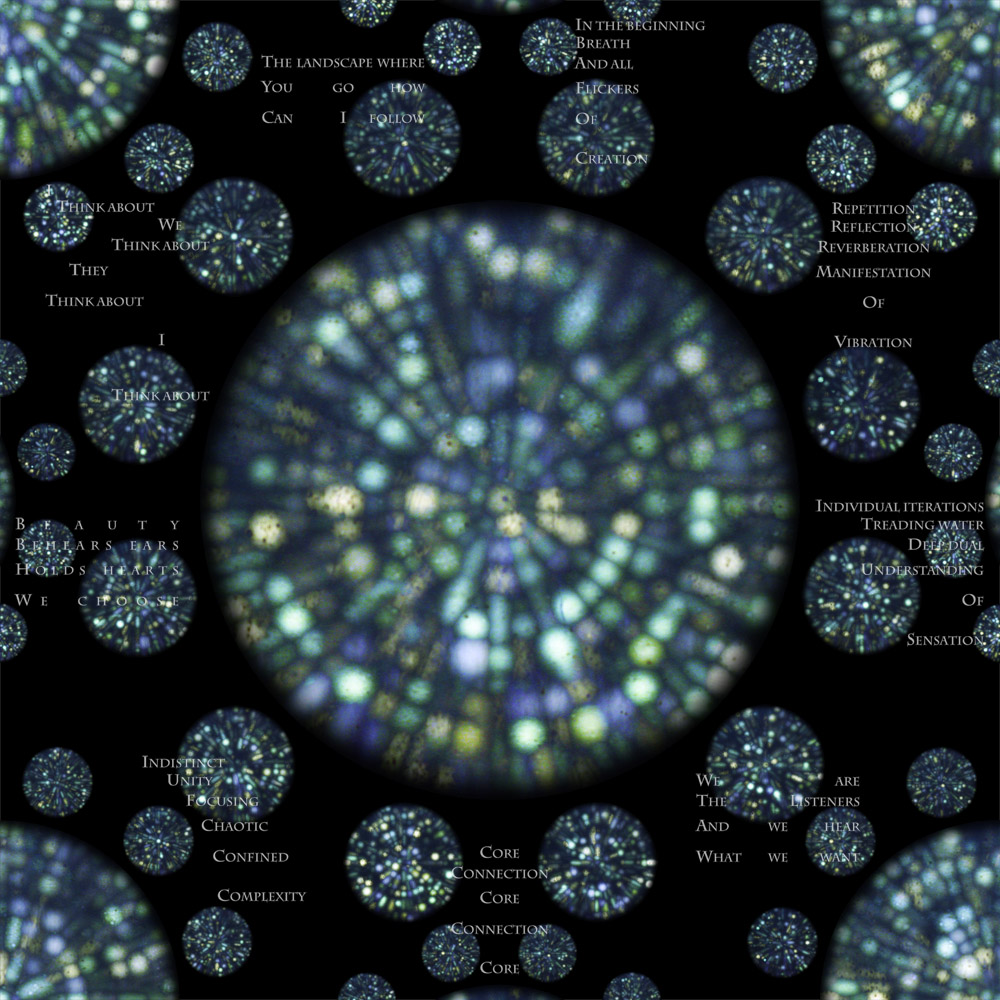
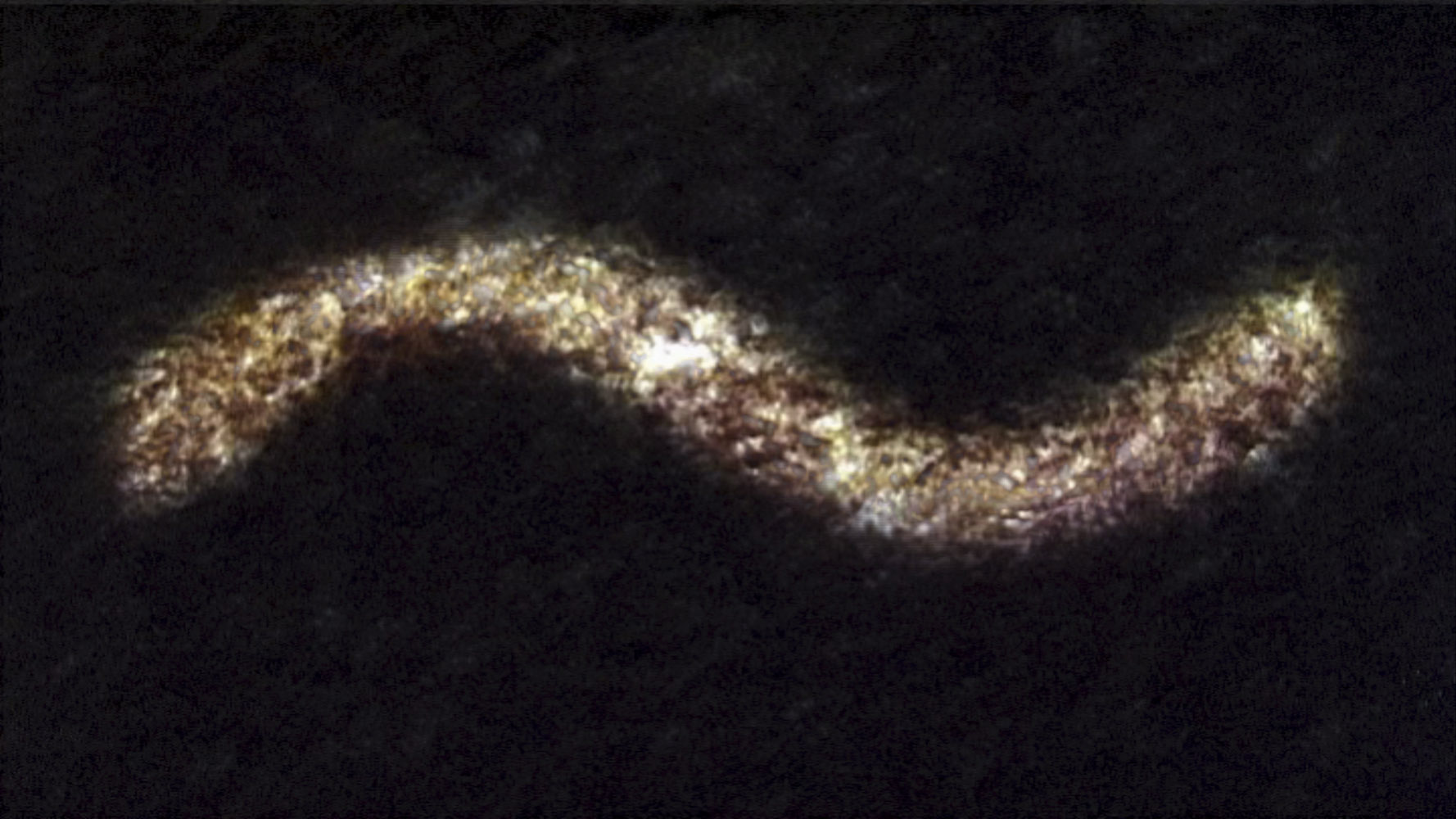
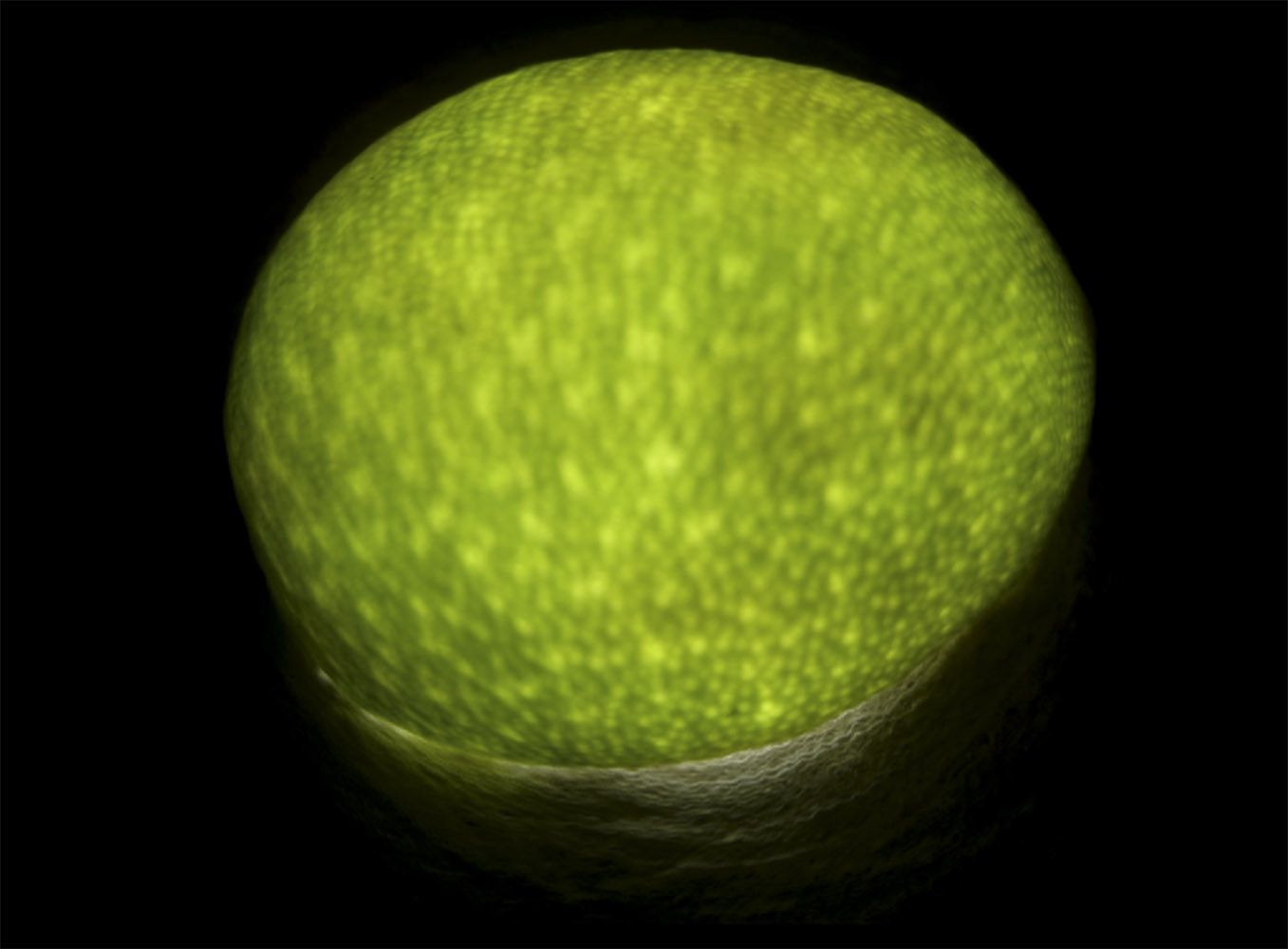
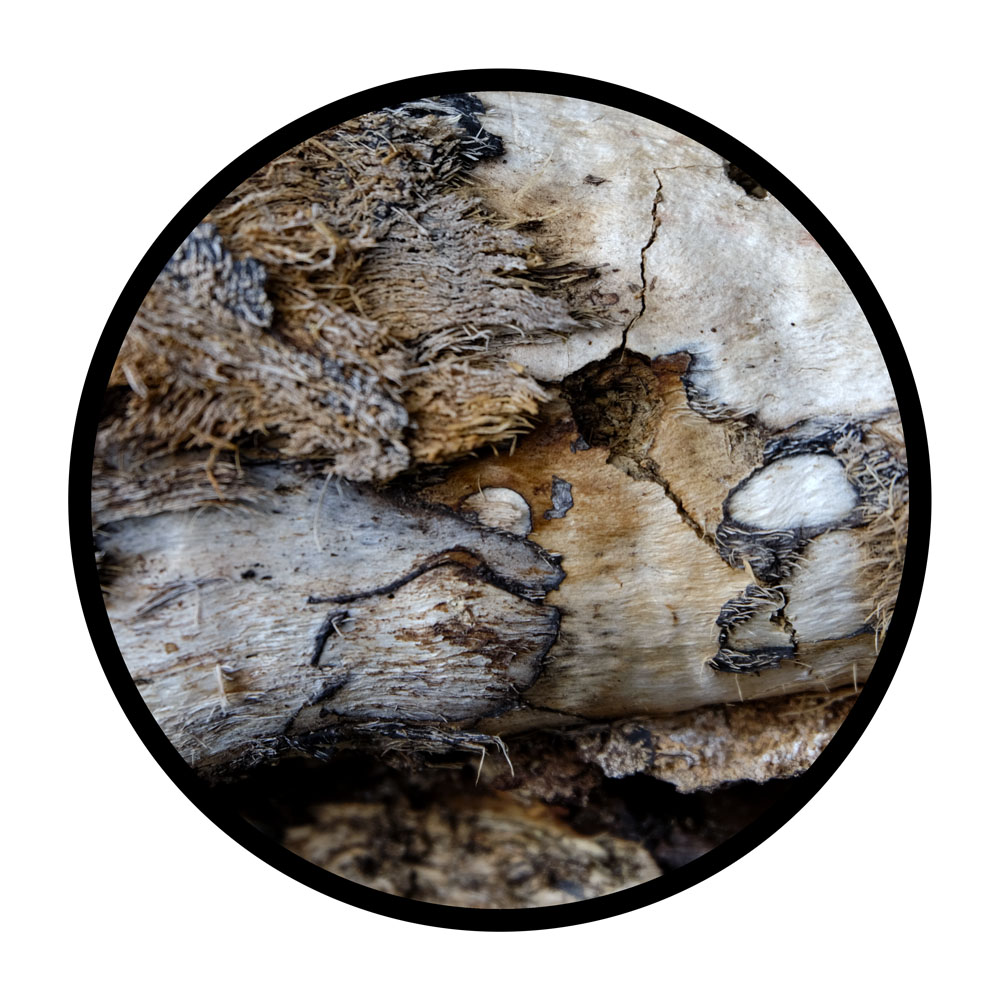
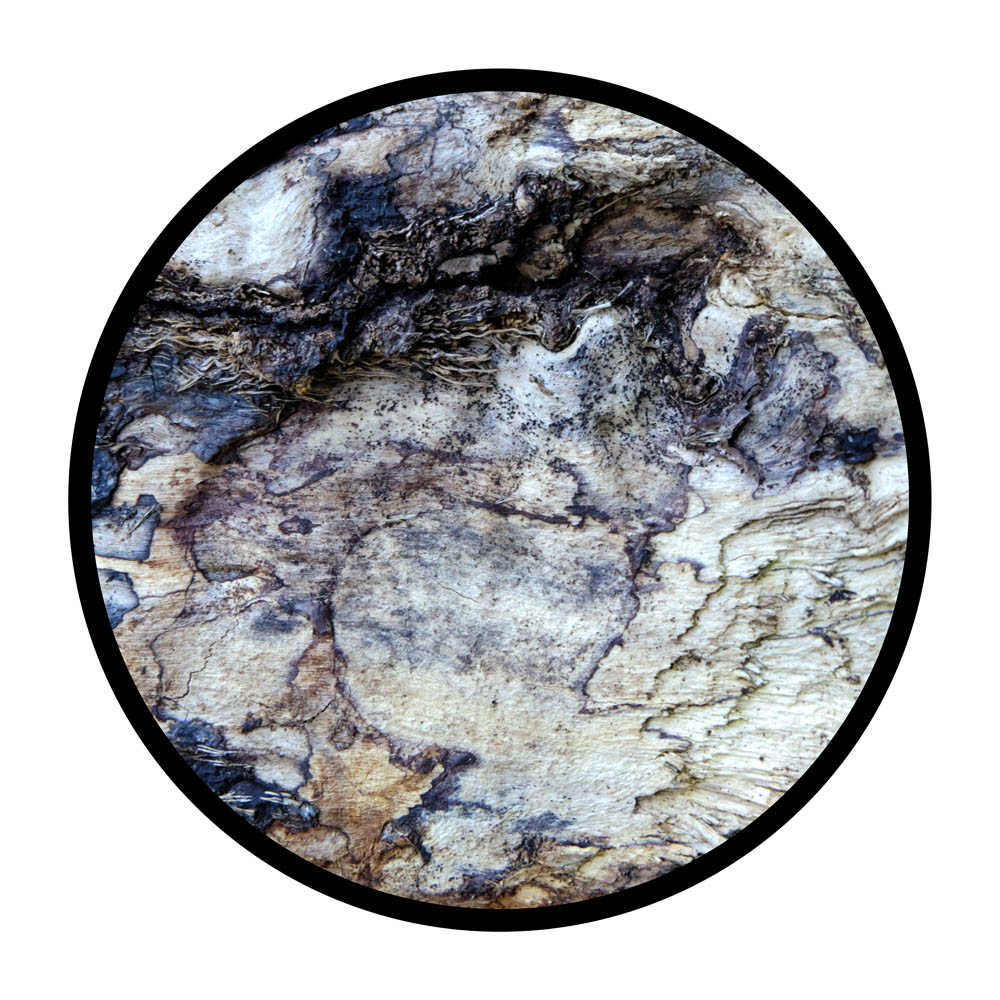
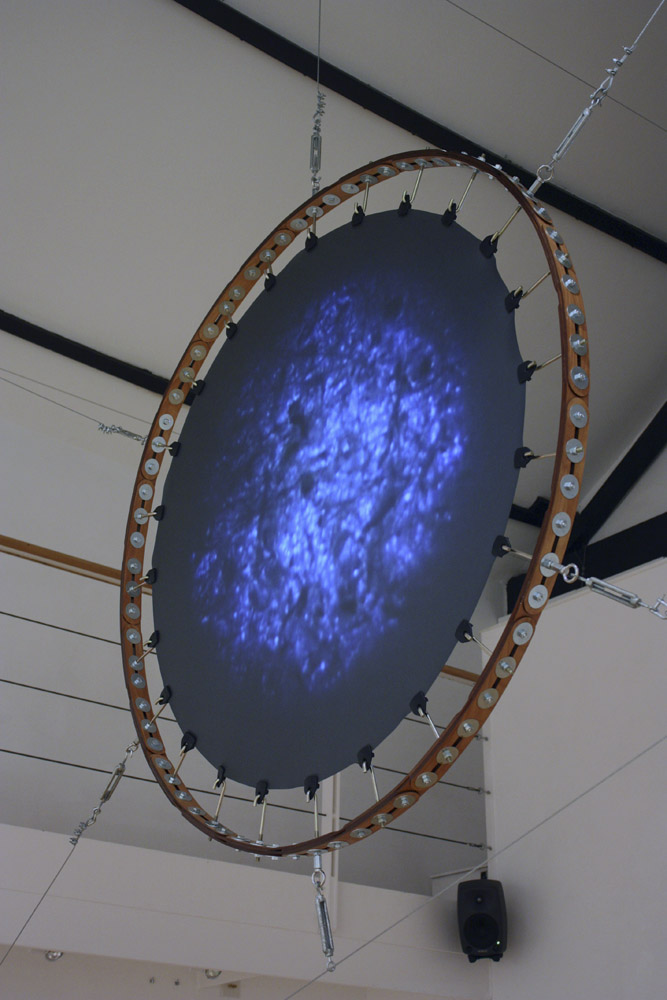
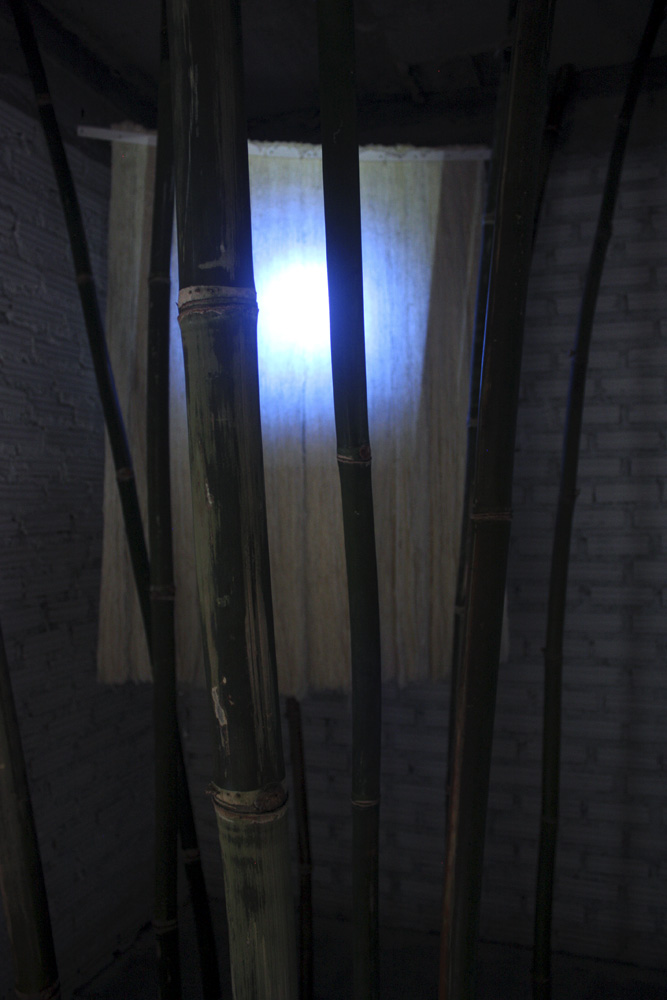
Image 1: Corrosion 1, generative photomontage, direct to media print on brushed dibond
Image 2: Corrosion 1 (detail), generative photomontage, direct to media print on brushed dibond
Image 3: Partial Wave Child, audiovisual live performance of Above Fire Below the Lake, Centre for Contemporary Arts, Glasgow
Image 4: Partial Wave Child, visual representation of Above Fire Below the Lake
Image 5: Vibrating Strings, still image from the generative audiovisual work
Image 6: Variations on a Theme, still image from the generative audiovisual work
Image 7: Pattern Study 4, digital photograph, giclée print
Image 8: Pattern Study 19, digital photograph, giclée print
Image 9: Irregular Atmospheric Motion, generative audiovisual installation at The Cello Factory
Image 10: Multitudinous Entity, generative audiovisual installation at H-Gallery, Chiang Mai
Partial Wave Child
a collaboration with Geoixos
Improvise electroacoustic live performance for augmented flute Duration around 30 minutes
*Above Fire Below the Lake* is an improvised electroacoustic performance for augmented flute by Partial Wave Child. Jockel Liess and Geoixos use a purpose-built software environment to extend the flute’s capabilities, creating a seamless tapestry of live-processed, manipulated, and sampled sounds.
The performance explores a wide range of flute techniques, from breath tones to high pitch partials, blending them with live sampled electronic textures. Guided by a score outlining 12 modal areas, this piece is an indeterminate journey through a dynamic musical terrain, weaving rhythms and tonalities fluidily into an ever-evolving soundscape. Take a moment to exist alongside this piece of performance art that fuses musical concepts in seeming opposition, transforming the space into one of unpredictable beauty and tension.
A wondrously meditative experience that last for around 30 minutes where audiences are encouraged to slip into a trance that exports them into a new sensory realm, both foreign and yet extraordinarily intimate. A work that altered the edges of perception and leaves listeners staring over the corners of reality.
Variations on a Theme
Generative audiovisual composition
10 minute recording
‘Variations on a theme’ is a generative audiovisual system with the ability to improvise its own progression.
As a system ‘variations on a theme’ has no distinct beginning or end, it simply exists in a perpetual state of flux. It is modelled on, and embodies the emergent properties of nature itself. It never repeats, but is rather a flowing sequence of endless internal renewal. It is a system functioning in balanced tranquillity within the boundaries of its established terrain. The only aim of the system itself is to emulate the organic resourcefulness of nature to improvise. It thus eternally strives to explore, to change and to create variations.
‘Variations on a theme’ starts from a point of fascination with the aesthetics of irregular organic patterns.
Visually as well as sonically the aesthetic of natural patterns thrives on their intrinsic imperfection. Patterns like this are never distributed even or orderly, are never replications of themselves. They are rather reoccurring variations, variations that form a recognisable tapestry of familiarity across an otherwise chaotic and unpredictable structure. They prosper from the tension that arises between repetition and asymmetry. They playfully inhabit the border region between order and randomness. Their aesthetic appeal emerges from within the very disruption of regularity itself.
Vibrating Stings
Generative audiovisual composition 10 minute recording
Vibrating Strings is a live-generative audiovisual environment with no clear beginning, end or in the traditional sense progression. The computer system that is improvising the work rather centres on the continuous subtle transformation of the qualities and textures of two interwoven strings of audiovisual information. It celebrates unevenness and irregularity on all levels of magnification.
The nature of everything changes with the point of observation, level of magnification and acuteness of perception. From crystalline structures to organic matter, from musical sounds to environmental noise, everything natural is comprised of irregularities and imperfections. It is these very irregularities and imperfections that form the distinctiveness of any object and sound, and thus the foundation of its aesthetic appeal. Perfection is interchangeable, only in imperfection lays uniqueness.
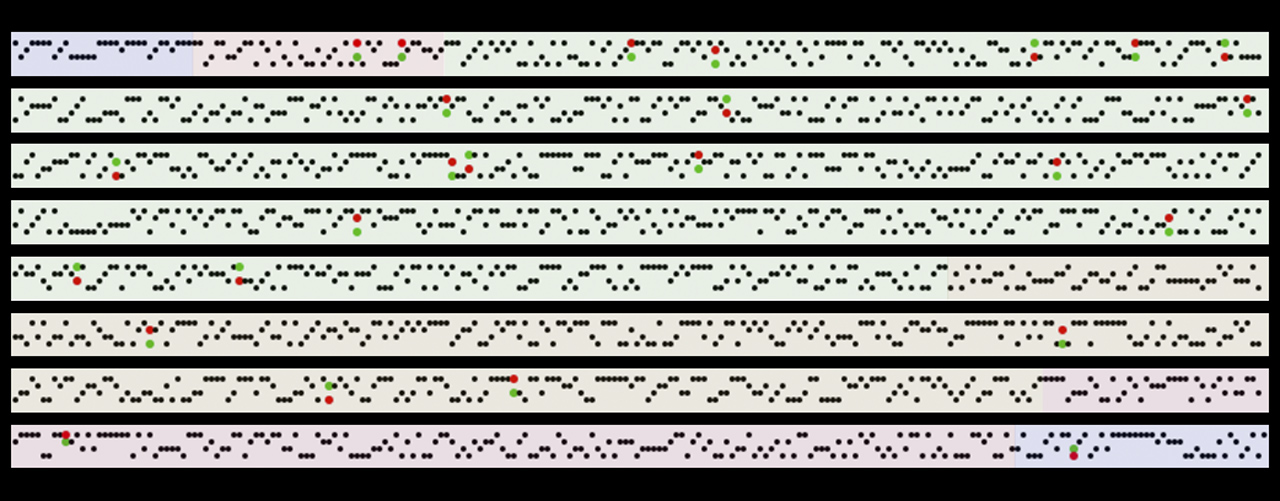
INTIAC – h1n1
a collaboration with Dr Zisis Kozlakidis
Generative composition base on the genetic code of the H1N1 influenza virus
Duration 12 minutes
‘INTIAC – h1n1’ is a generative composition, sonic interpretation and analysis of the genetic code or RNA of the H1N1 influenza virus. The 95 virus samples used for this 12-minute composition were collected during a medical study tracking the outbreak of H1N1 in Brazil in 2017. All compositional progression within the work is determined by the RNA sequences of the collected medical samples and the slight variations within this code.
The musical terrain of the composition is based purely on aesthetic values. Its sounds, notes and tonality are not representational of, or directly linked to virology. It is the performance of the work by the generative computer system that has a direct relationship to the RNA sequence of the virus. Much like the virus itself, the underlying structure of the composition could be seen as an interpretive mechanism of the genetic data of the virus.
The RNA sequence of a virus is essentially the hereditary encoded genetic information of the virus. The scientific samples used for this project are thus nothing but a set of analysed and ordered variations of organic code. As a set of natural code they outline or describe the spread and progression of H1N1 in Brazil in 2017. Once translated into computer code, this natural code can become encoded sonic information. It becomes the data that determines the musical progression and change within the composition.
‘INTIAC’ is thus an artificial organism that functions by analysing and decoding the collected and ordered genetic information of a natural organism.


